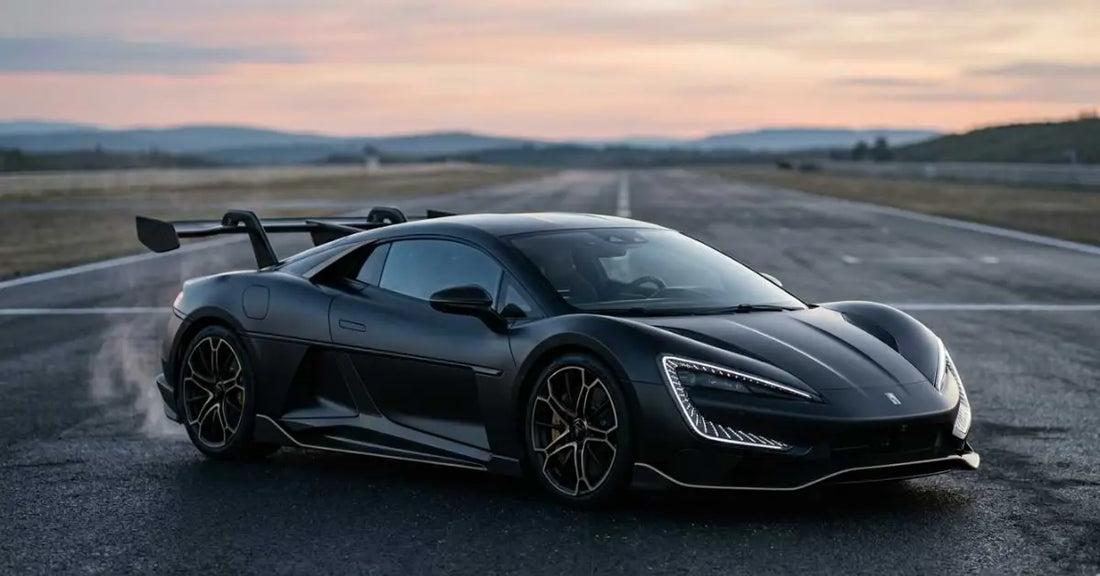
BYD has smashed the speed record: the Chinese electric hypercar Yangwang U9 Xtreme accelerated to 503 km/h!
The Chinese auto industry has staked a claim to a new era in the history of high-speed cars. The Yangwang U9 Xtreme electric hypercar, developed by BYD's premium division, has broken the psychological barrier of 500 km/h, reaching an incredible 503.17 km/h. Thus, the Chinese electric machine has entered history as the first production car to surpass this milestone.
The record-breaking run took place on November 1, 2026, in the emirate of Abu Dhabi (UAE), and it was officially announced on November 6. German driver Marc Basseng was behind the wheel. The result surpassed the previous figure set by the Yangwang U9 Xtreme itself — 496.22 km/h.
But the most interesting part is not even the top speed. Under the hood of this car there is no conventional gasoline engine, turbochargers or manual gearbox. What we have here is a fully electric powertrain with almost 3,000 horsepower.
3,019 horsepower: what lies beneath the body of the hypercar?
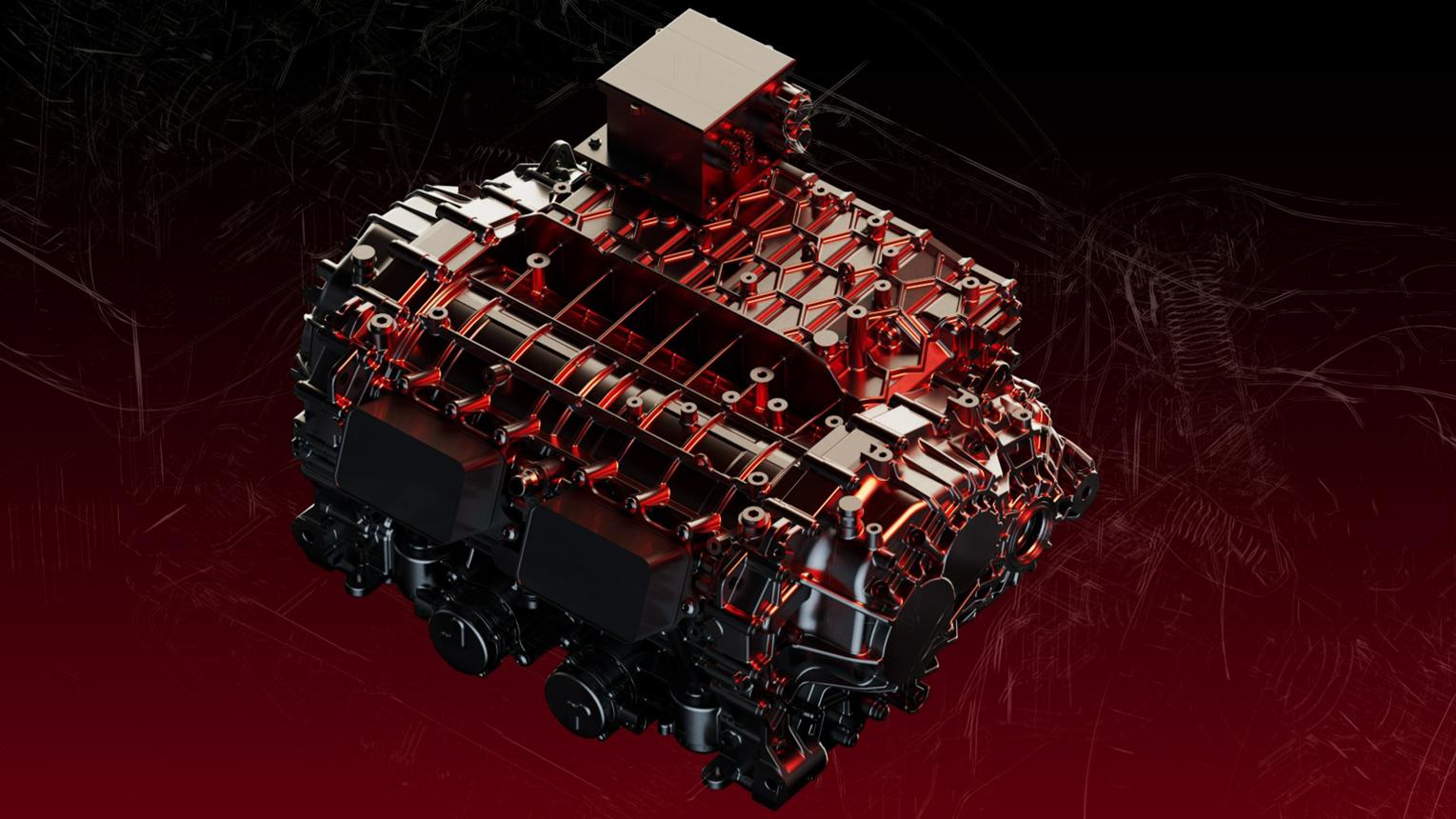
Key specifications of the hypercar:

For comparison: the power of the U9 Xtreme is comparable to the combined output of several powerful sports cars. At the same time, all the torque is available almost instantly thanks to the characteristics of the electric drive.
How did the engineers manage to break the 500 km/h mark?
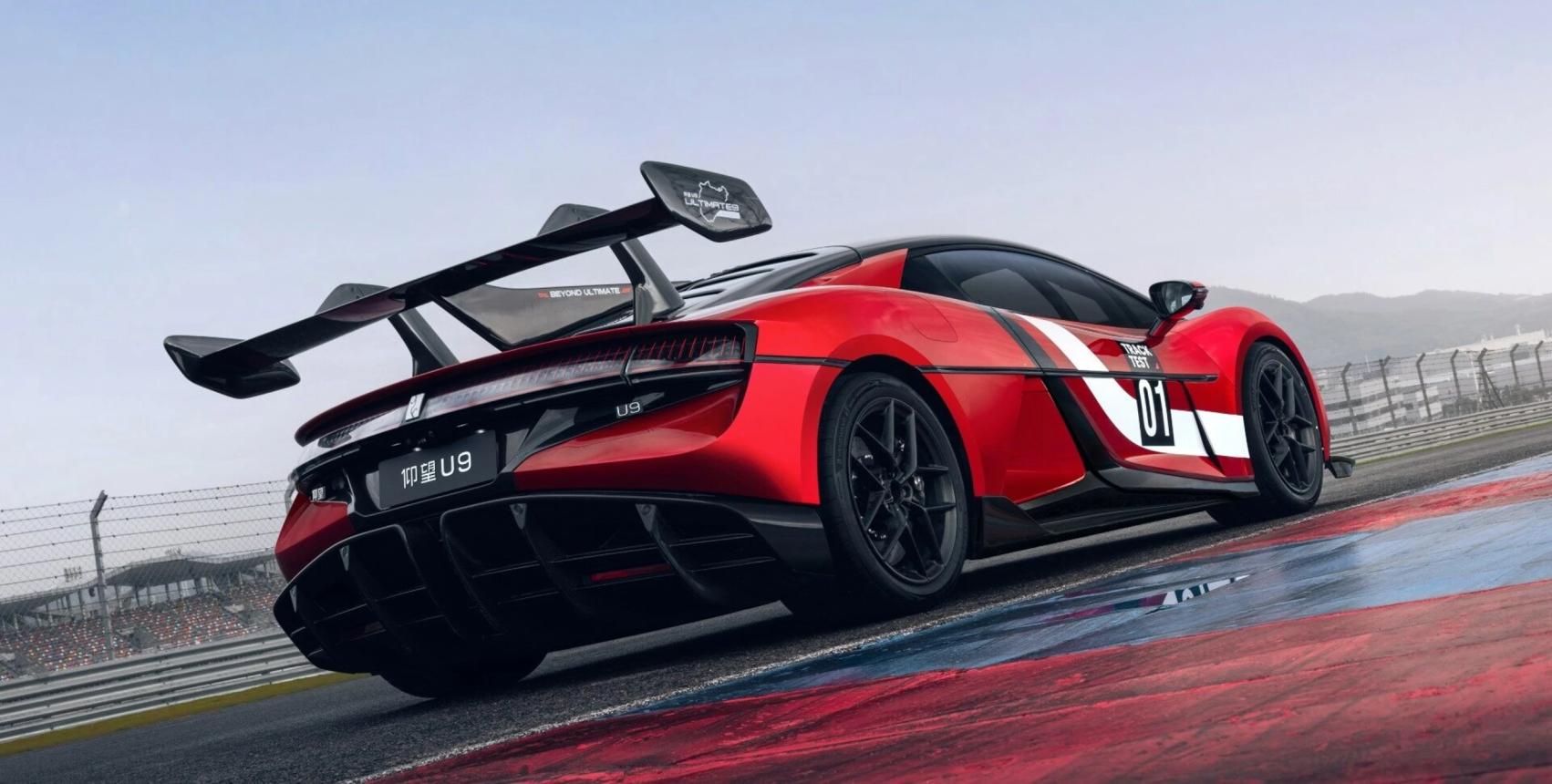
The main challenges become aerodynamic stability, cooling of the powertrain, tire strength and the ability of the suspension to keep the wheels in contact with the road surface.
BYD engineers thoroughly reworked the car's aerodynamics. The Yangwang U9 Xtreme received an enlarged front splitter, a developed rear diffuser, special hood elements and a massive Swan Neck rear wing.
The chassis control system deserves special attention. The electronics are capable of adjusting torque distribution up to 100 times per second, helping to maintain the car's stability.
For the record run, the settings of the rear wing, suspension and pressure in the special Giti tires were also adjusted.
China has challenged Bugatti and Koenigsegg
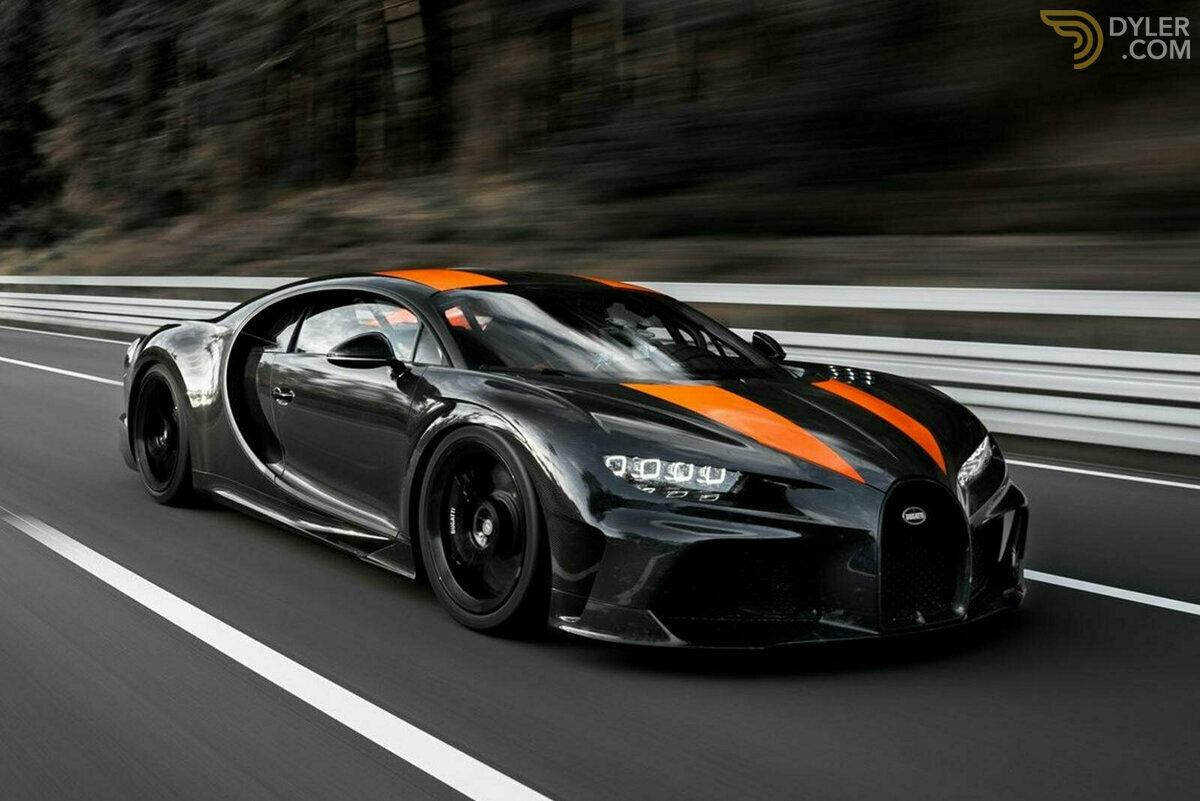
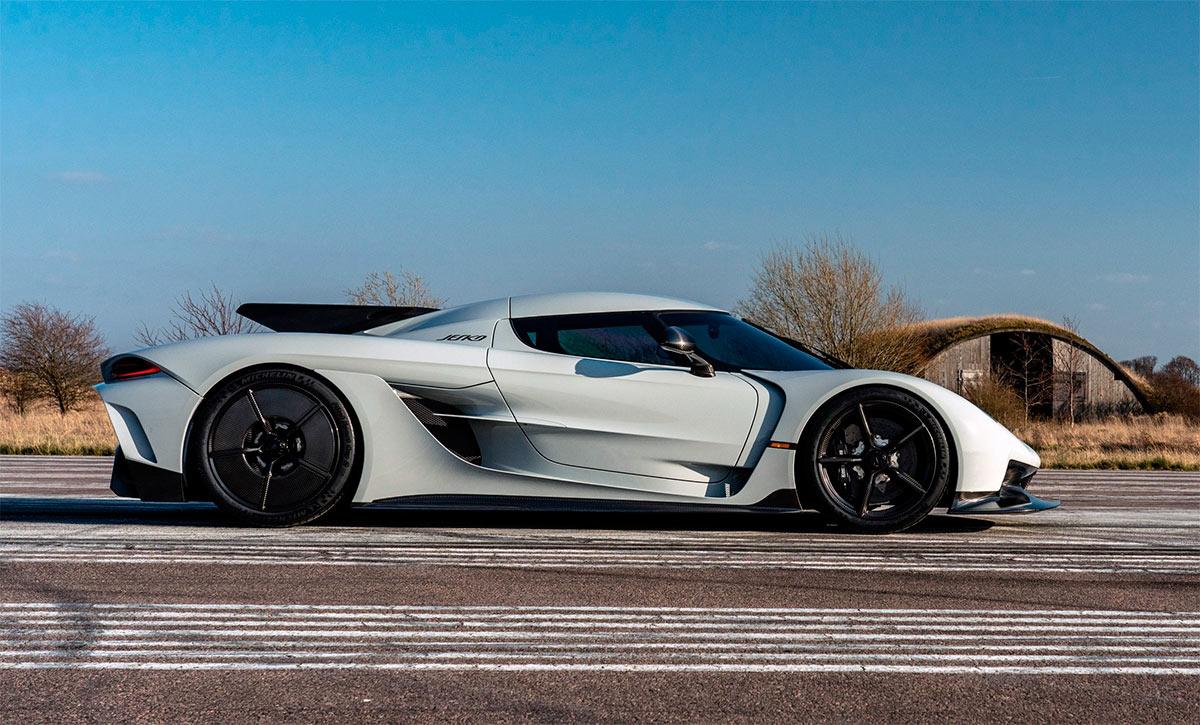
Until recently, the 500 km/h mark seemed practically unattainable for a production car. For decades, European and American companies fought for the right to be called the manufacturer of the fastest car.
Now the situation has changed.
The Yangwang U9 Xtreme surpassed its own previous record of 496.22 km/h, as well as the result of the Bugatti Chiron Super Sport 300+, which reached 490.48 km/h.
However, there is an important nuance: BYD's figure refers to a record run in one direction. It cannot be directly equated to a two-way average result, which allows for the influence of wind and road gradient to be taken into account.
Why is this car important for the entire global automotive industry?
BYD's achievement goes far beyond an advertising race for maximum speed.
Just a few years ago, Chinese manufacturers were mainly associated with affordable electric vehicles and mass transportation. Today, Chinese engineering teams are demonstrating capabilities in the hypercar segment, where European brands traditionally dominated.
It is especially telling that the Yangwang U9 Xtreme managed to combine extreme power, a complex four-motor control system and a 1,200 V high-voltage architecture.
At the same time, the company plans to produce only 30 examples of the hypercar. According to CnEVPost, the car's price exceeds 20 million yuan, which is equivalent to approximately $2.98 million.
What's next? A new speed race begins
The result of 503.17 km/h could mark the beginning of a new stage in the rivalry among hypercar manufacturers.
Bugatti, Koenigsegg and other industry players have received a serious benchmark. Now the question is not only who can build a more powerful car, but also who will be the first to break the next speed mark.
China's BYD has proven that an electric hypercar is capable of exceeding 500 km/h. And now the global automotive industry will have to reckon with a new player in the top league of speed.